
Model home leaseback marketplace
Turnkey homes.
The builder as tenant.
Model Home Investor is the national marketplace for model home leasebacks — nearly-new, heavily upgraded homes (single-family, townhomes, and condos) sold to investors with the homebuilder staying on as tenant under a multi-year commercial lease. Every listing arrives with a full pro forma, lease terms, rent comps, and market data so you can underwrite it yourself.
A founding marketplace. We are building the first dedicated marketplace for model home leasebacks — inventory is being onboarded now, and investors and builders who join early help shape it. Free on both sides while we build it up.
- Typical lease term
- 12–36 mo
- Contracted gross yields commonly quoted
- 5–8%
- Tenant in place at close
- Day one
Why leasebacks
A quiet corner of real estate — with unusually strong fundamentals.
Turnkey from day one
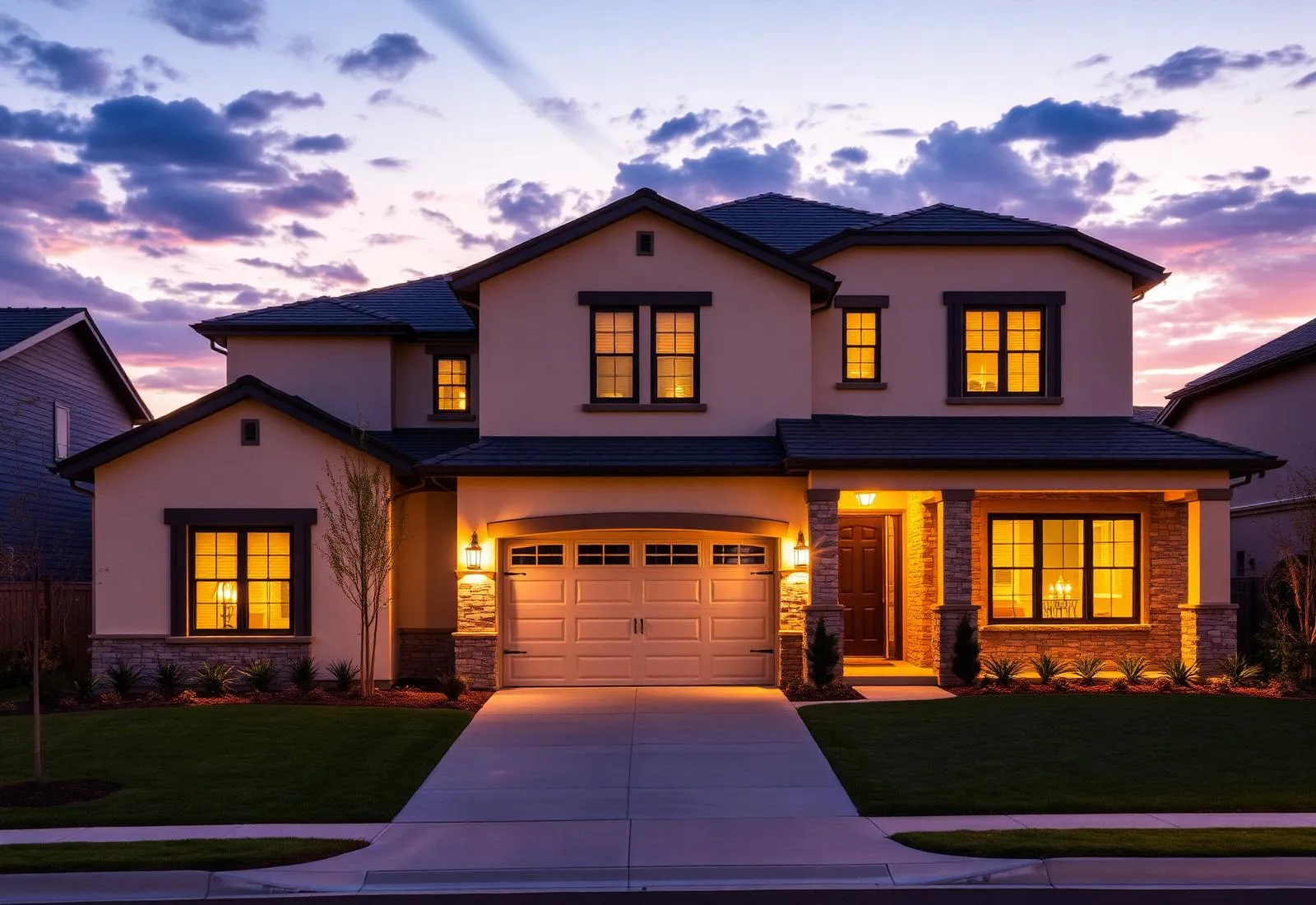
Model homes are the builder's showpiece — professionally decorated, upgraded well beyond base spec, and maintained daily because the sales team works out of them.
Commercial lease, corporate tenant
The builder signs as tenant, usually on a commercial (often triple-net-style) lease where the builder covers maintenance and frequently taxes, insurance, and HOA dues. No residential tenant turnover during the term.
Potentially attractive for 1031 investors
Because it closes as tenanted investment real estate, this structure is often of interest to investors working on an exchange timeline. Model home leasebacks are not inherently eligible for 1031 treatment — eligibility depends on the specific transaction, how the property is held and used, and your exchange structure. Confirm with your qualified intermediary and tax advisor.
Planned exit
When the builder vacates, you inherit a nearly-new, heavily upgraded home in a built-out community — hold it as a rental or sell into the resale market. Underwrite that second act before you buy.
How it works
Introductions, not transactions.
We're a directory and introduction service, not a broker. You'll always transact directly with the builder and your own licensed representation.
- 01
Tell us what you're looking for
Price range, target markets, cash vs. financed, 1031 timing. Joining is free today.
- 02
Builders list their leasebacks
National and regional builders post model home leasebacks directly with us — off-market and pre-listing opportunities you won't find on the MLS.
- 03
Get introduced to the builder
Request an intro and we release the builder name, address, and sales contact, then hand you off directly to their team or listing broker. You handle diligence and closing with your own agent and attorney.
The full cycle
What actually happens, start to finish.
A leaseback has two halves: the contracted lease term, and what you do with the home afterward. Both belong in your underwriting.
- 1
Builder owns the model
Capital sits in a finished, heavily upgraded model home the builder needs for its sales office.
- 2
Investor purchases it
The home is sold as an income property, not a residence — the sale closes with a tenant already in place.
- 3
Builder leases it back
A commercial, often NNN-style lease for the balance of the community's sales phase — commonly 12–36 months.
- 4
Investor receives rent
Contracted rent from a corporate tenant that maintains the home daily because its sales team works there.
- 5
Builder vacates
At lease end the builder converts the model back to retail finish and hands the keys over.
- 6
Investor rents, sells or holds
Re-tenant at market rent, sell into the resale market, or hold. This second act must be underwritten up front.
Same asset, two different uses: a sales tool for the builder today, an income property for the investor from day one.
The second half
What happens after the lease?
The builder leaseback period is not the permanent economic profile of the property. When the builder vacates, the home converts to a conventional residential asset — and that is where most of the hold period actually sits. Expected market rent, conversion cost, lease-up time, and residual value all belong in your underwriting before you close.
Renew or extend
If the community still has sales runway, the builder may extend under an option written into the original lease. This is the cleanest outcome, but it is not guaranteed — availability depends on absorption pace.
Convert to a rental
De-modelize the home to retail finish, lease it at residential market rent — typically below builder rent — and absorb management, maintenance and vacancy costs that the builder previously covered.
Sell into the resale market
Exit into a community that is further built out than it was at purchase. The upgrade premium you paid for needs to be supported by comparable sales at that point.
Two sides, one marketplace
Choose your side.
Investors and builders come to a leaseback for completely different reasons. Start where you fit.
For investors
Contracted income from day one.
- A nearly-new, heavily upgraded home with a corporate tenant already in place at close.
- A commercial, often NNN-style lease where the builder maintains the home it sells out of.
- Full pro forma, lease terms, rent comps and market data on every listing — including what may not work.
- Potentially attractive for 1031 investors — eligibility depends on the specific transaction and exchange structure, so confirm with your qualified intermediary and tax advisor.
For homebuilders
Recycle model capital, keep the sales office.
- Convert standing model inventory into capital you can redeploy into land, development or new starts.
- Stay in possession as tenant and keep operating the home as your on-site sales model.
- Reach investors who are specifically looking for builder leasebacks, without a retail marketing cycle.
- Your company name, street address and sales contact stay private until you approve an introduction.
FAQ
Common questions.
What is a model home leaseback?+
A homebuilder sells a completed model home to an investor and immediately leases it back for the remainder of the community's sales phase — commonly 12 to 36 months, occasionally longer. The builder keeps using the home as its sales office and model, pays the investor rent under a commercial lease, and typically handles maintenance and upkeep.
Is the rent really above market?+
Sometimes, but treat it as deal-specific rather than a rule. The rent reflects commercial use of the home as a sales office, not what a residential tenant would pay, so quoted contracted gross yields often land in the 5–8% range and rent frequently exceeds the payment on a conventionally financed purchase. It is not a guaranteed premium — verify the rent, the term, and who pays taxes, insurance, HOA, and maintenance in the actual lease.
What are the risks?+
Three to underwrite carefully. First, model homes carry heavy upgrades and often price above neighborhood comps, so appraisals can come in short. Second, the income stops when the lease ends — you have to re-tenant at true market rent or sell. Third, the lease is only as good as the builder's credit, so review the lease, guarantor, renewal and early-termination terms with your own attorney.
Do these work for a 1031 exchange?+
They can be, but nothing about a model home leaseback makes it inherently eligible for 1031 treatment. These deals are often attractive to 1031 investors because they close as tenanted investment real estate, which suits tight identification and closing windows — but eligibility depends on the specific transaction, how the property is held and used, and your exchange structure. Work with a qualified intermediary and tax advisor. Nothing here is tax advice.
Are you a real estate broker?+
No. Model Home Investor is an informational directory and introduction service. We do not list, market, negotiate, or close real estate transactions. We connect investors with builders and their licensed brokers, and you complete the transaction with your own advisors.
How do you source listings?+
Builders list their model home leasebacks with us directly. We're the dedicated marketplace for these opportunities — a channel that doesn't exist elsewhere, since most leasebacks trade quietly through builder-broker relationships or as one-off MLS listings rather than in any central place.
What does it cost investors?+
Nothing today. Browsing the directory, running the pro forma, and requesting builder introductions are all free while we build up the marketplace. If we introduce paid plans later, we'll give members advance notice before anything changes.
Where are properties located?+
Nationwide, with the deepest inventory in high-growth Sun Belt markets — Texas, Florida, the Carolinas, Arizona, Nevada, and Georgia — where public builders run the most active model home programs.